
To Restore or Replace, That Is the Question
Note: This post was inspired by a conversation I had with Stacy Grinsfelder, co-author of The Case for Historic Windows: The Truth About Energy Efficiency and Old Homes
Book link: https://a.co/d/dHsjdgF
Podcast link: https://www.truetalesfromoldhouses.com/
Windows have long been called the eyes of a house. While the phrase may sound cliché, it carries real weight. Artists have returned to windows again and again as a central subject because they evoke emotion and meaning. Andrew Wyeth, Henri Matisse, and Johannes Vermeer each painted windows differently—inviting the viewer to look at them, through them, or at the light they admit, and in doing so, to feel something distinct.
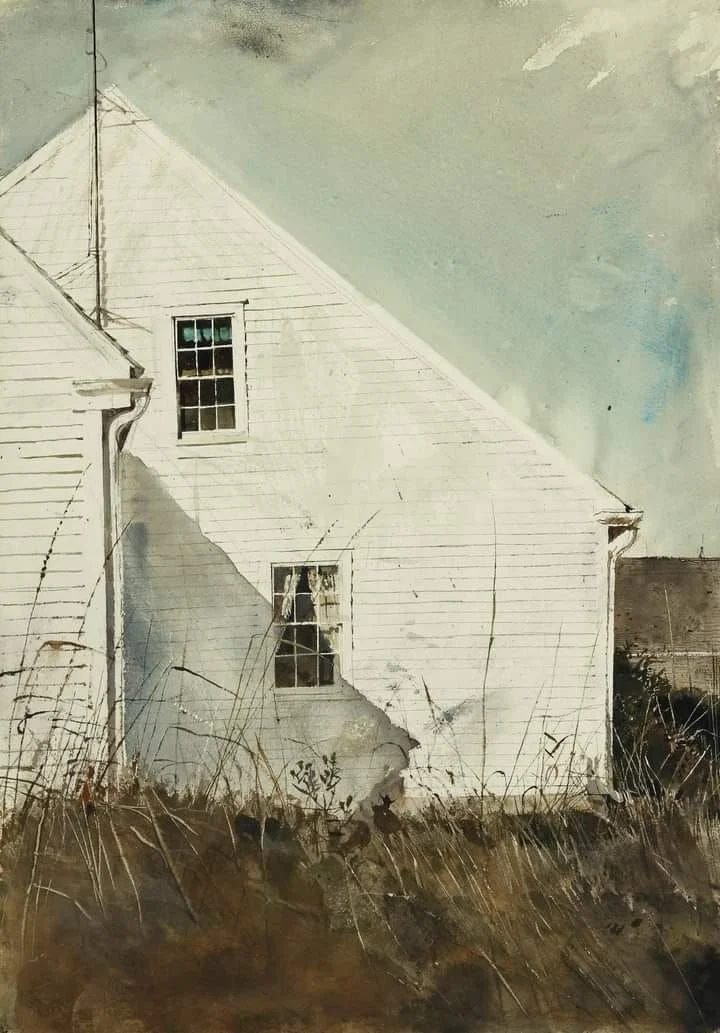
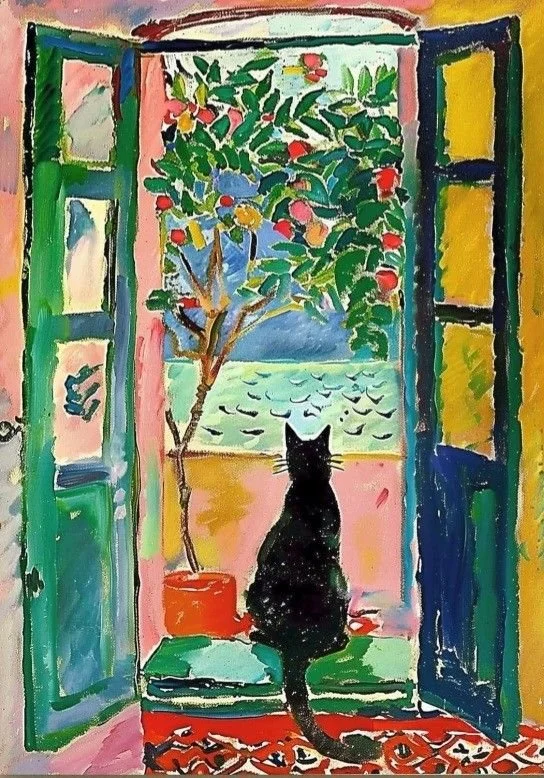
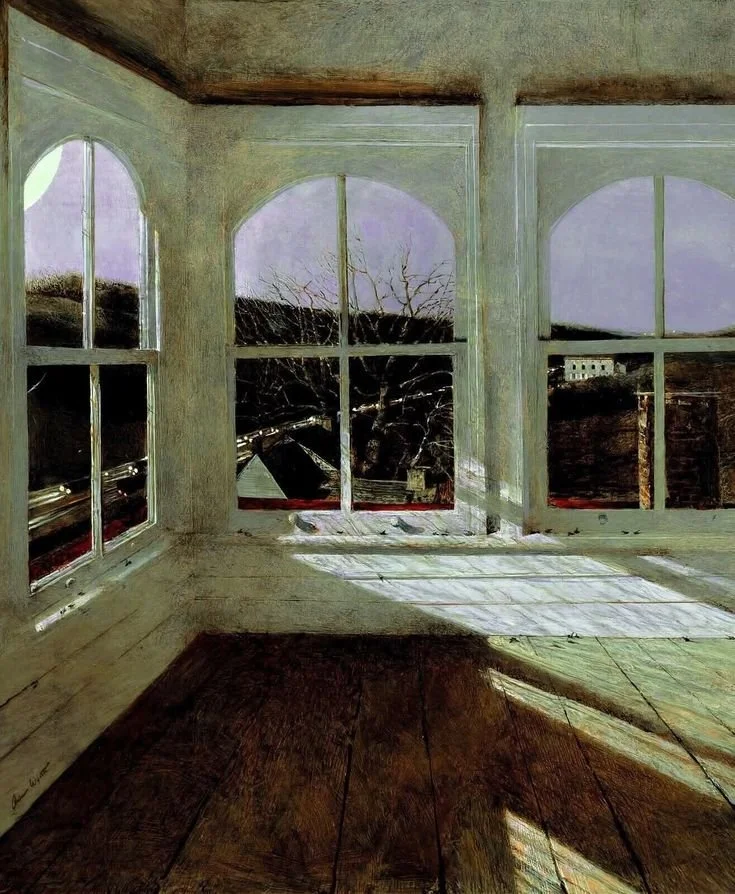
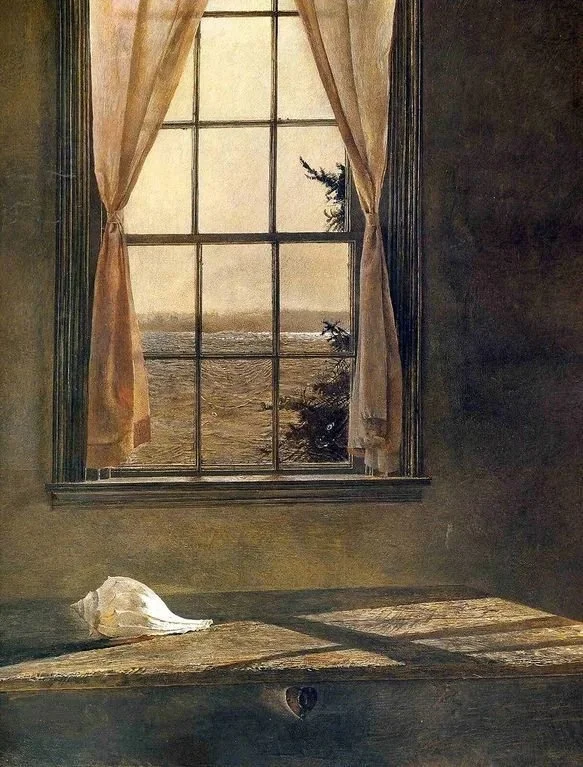
Those who purchase older homes inherit more than a structure; they inherit history. If your home still has its original windows, you possess one of its most expressive features. Like human eyes, windows reveal character, personality, and an inner life. Much can be learned by looking into someone’s eyes, and the same is true of a home’s windows.
Historic windows are typically made of old-growth wood and constructed as complete systems. They consist of a wooden frame (head, jambs, and sill), movable top and bottom sashes holding individual glass panes divided by muntins, and a concealed counterweight system of cords or chains and weights. Additional elements include glazing putty, parting beads, stops, and hardware such as sash lifts and locks.
When properly maintained, an older window can perform as well as a modern one. Performance depends on the window system as a whole: sashes that operate smoothly and fit tightly within the frame, functioning locks, intact glazing putty, and well-fitted storm windows. When these elements work together, historic windows are both functional and efficient.

From a sustainability standpoint, historic windows have a clear advantage. They can be repaired indefinitely, while most modern windows have a lifespan of roughly twenty years. Restoration requires relatively few materials—wood, paint, and putty—while the primary investment is skilled labor. Restoration demands precision, time, and experience. As windows age, frames can be adjusted, panes reglazed or repaired, wood components restored, and counterweight systems tuned so the sashes once again fit properly. By contrast, when a modern window fails, replacement is the only option.
Many older windows fail not because they are inherently inferior, but because they have been neglected or improperly maintained. We have restored wood windows from the 1990s that required extensive work after the inferior wood failed, while windows from the 1700s — carefully maintained —often need only periodic tune-ups to remain in excellent condition.
Windows form a vital connection between the interior of a home and the world beyond it. Wyeth and Matisse painted windows to explore light and the psychological boundary between inner solitude and exterior life, while Vermeer focused on how light passing through a window could illuminate a singular moment in time. These artists painted to capture a moment and leave a lasting impression. As stewards of a historic home, homeowners can do the same—preserving a moment in history through restoration. Regardless of perspective, every owner of historic windows eventually faces the same question: restore or replace?

Before deciding, it is worth considering the long-term implications of each choice. In the end, the most important question may be this: which kind of window do you want to look through?
