
An Obscure Innovation That Changed a System
The History of Weatherstripping: Ever Wonder Where It Came From?
When people admire an older home and notice the original windows, they often observe the dimensions of the wood muntins, layers of built-up paint, the way the light plays off the wavy glass, and the details of the original hardware. What is unseen, and often overlooked because of its location, is a very important feature of the window system: weather stripping. One rarely notices it unless it isn’t functioning properly.
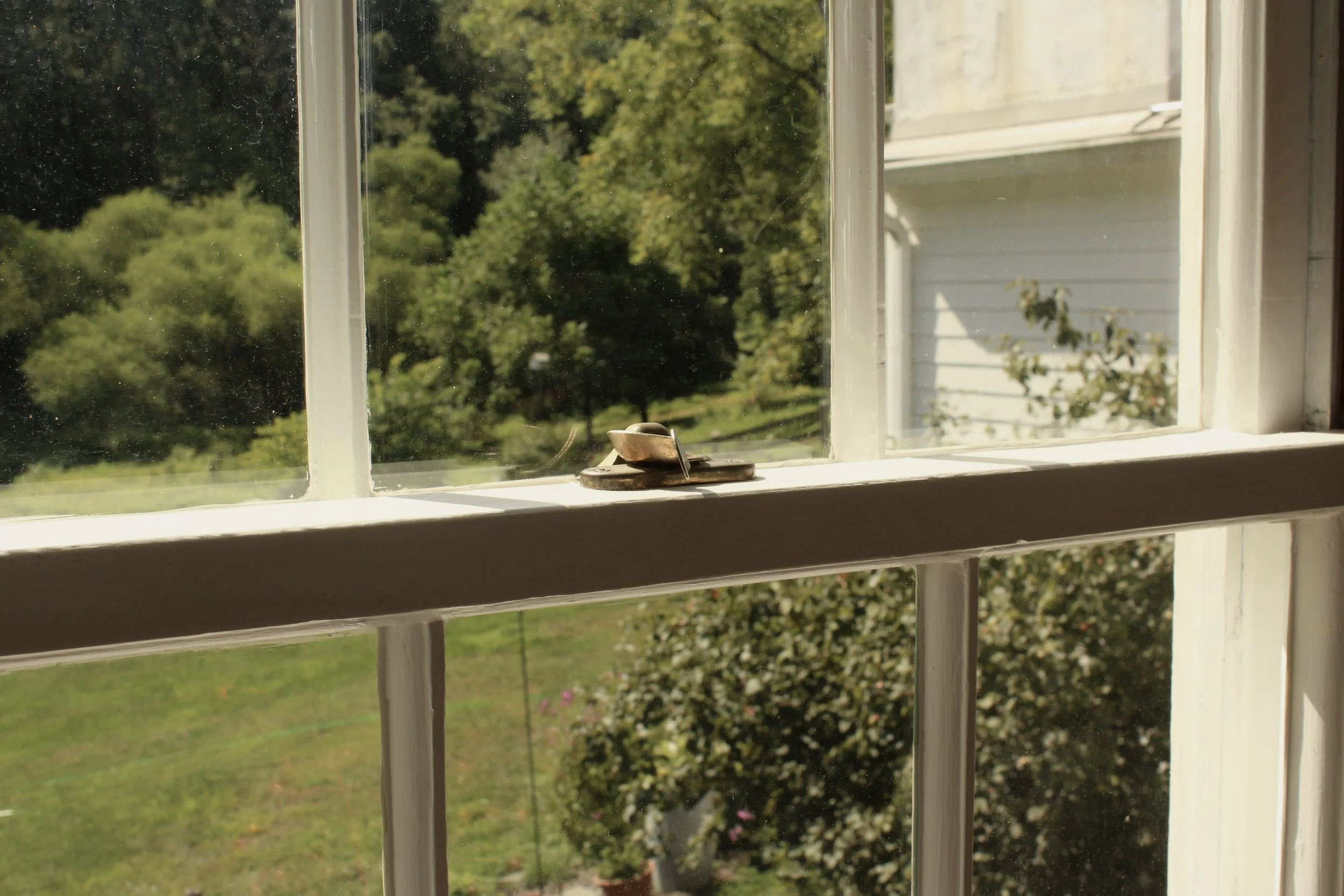
But when you open a window and catch the unexpected flash of light as sunlight bounces off the metal neatly attached to the inside window jambs, it can take you by surprise. It’s one of those details that, unless you know it is there, you may not notice or take the time to appreciate. Yet it plays an important role in the overall performance of a window and door system.
Though hidden from view, weather stripping has made older homes warmer, quieter, and more energy-efficient for well over a century. Its evolution tells a fascinating story of innovation born out of necessity and demonstrates how one small detail can change an entire system.
Before Weather Stripping: A Constant Battle with Drafts
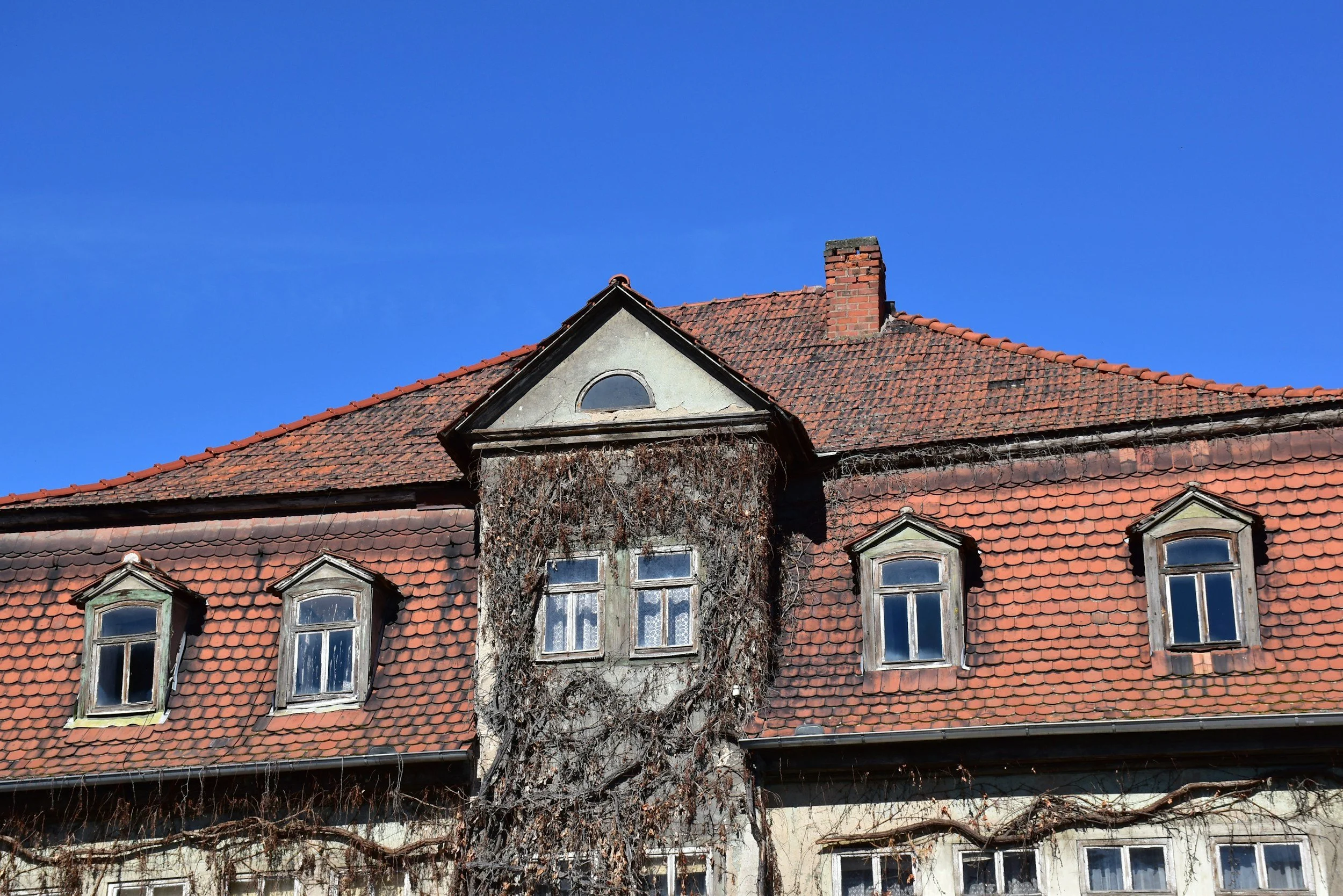
Before the late 1800s, drafty homes were simply part of daily life. As wooden windows expanded and contracted with the seasons, gaps formed that allowed cold air, rain, wind, soot, dust, and small insects to enter the home.
Homeowners relied on temporary fixes such as:
Old rags and wool scraps
Twisted newspaper
Pieces of fabric
Heavy paper tacked around window frames
While these methods helped reduce drafts and the rattling caused by windows during storms and high winds, they often made it difficult to open and close the windows. More importantly, these were temporary solutions that had to be readjusted or replaced whenever the seasons changed.
The Birth of Modern Weather Stripping
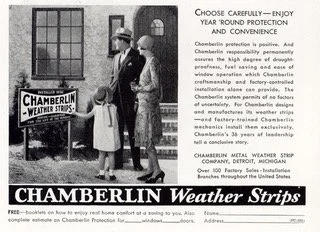
Everything began to shift in 1890, when an inventor named John Chamberlin patented an early form of metal weather stripping for windows. His Detroit, Michigan, company advertised and marketed interlocking metal strips designed to seal gaps around movable window sashes and doors.
For homeowners, this offered a more permanent solution to the problem of drafty windows and doors. However, weather stripping did not become a widespread or standard feature of building practices until much later. Its importance increased dramatically during the energy crisis of the 1970s, when fuel prices rose sharply following the Arab Oil Embargo and the Iranian Revolution, along with increasing demand for oil in the United States.
Traditional Weather Stripping
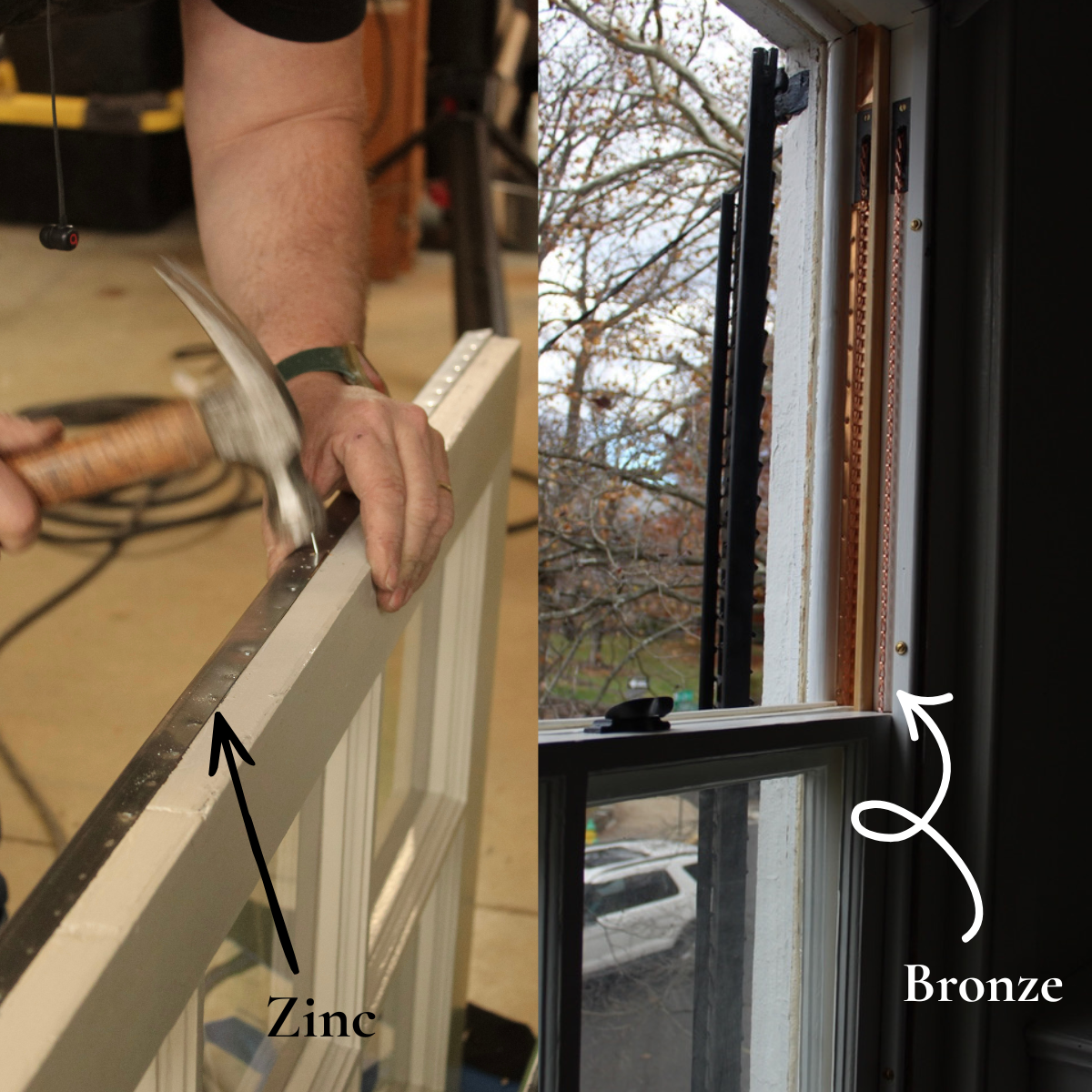
Spring bronze and interlocking bronze or zinc were two of the original standardized materials used for weather stripping windows and doors.
Spring bronze is a thin strip of bronze that is nailed along one side of the window frame. The portion that is not nailed to the frame acts as a flexible seal, allowing the wood window to expand and contract with changes in weather while maintaining a relatively stable seal. Once installed, spring bronze weather stripping is not only functional but also aesthetically pleasing.
Interlocking bronze or zinc weather stripping works somewhat differently. Complementary L- or T-shaped metal tracks are attached to both the door or window sash and the frame. When the window or door is closed, the tracks slide together and interlock, creating a tight seal that helps prevent air and water from entering the home.
The main difference between the two systems is that interlocking weather stripping requires modification to the sash. Because the interlocking strip contains a groove, a corresponding groove must be cut into the wood sash to accommodate it. Not all sashes can be modified in this way because some have frames that are too thin to safely accommodate the necessary groove.
The Shift to Modern Materials
Following World War II, builders increasingly began using inexpensive materials such as vinyl, rubber, and peel-and-stick foam weather stripping. These products made installation easier and more affordable, but they often require replacement every few years as they flatten, crack, deteriorate, or lose their adhesive properties.
Some modern weather-stripping products are also manufactured using synthetic materials that can contribute to plastic waste when they deteriorate or are discarded. Bronze and zinc weather stripping, on the other hand, are durable materials that can remain functional for decades and, when properly installed and maintained, can last for generations.
Historic Preservation Comes Full Circle
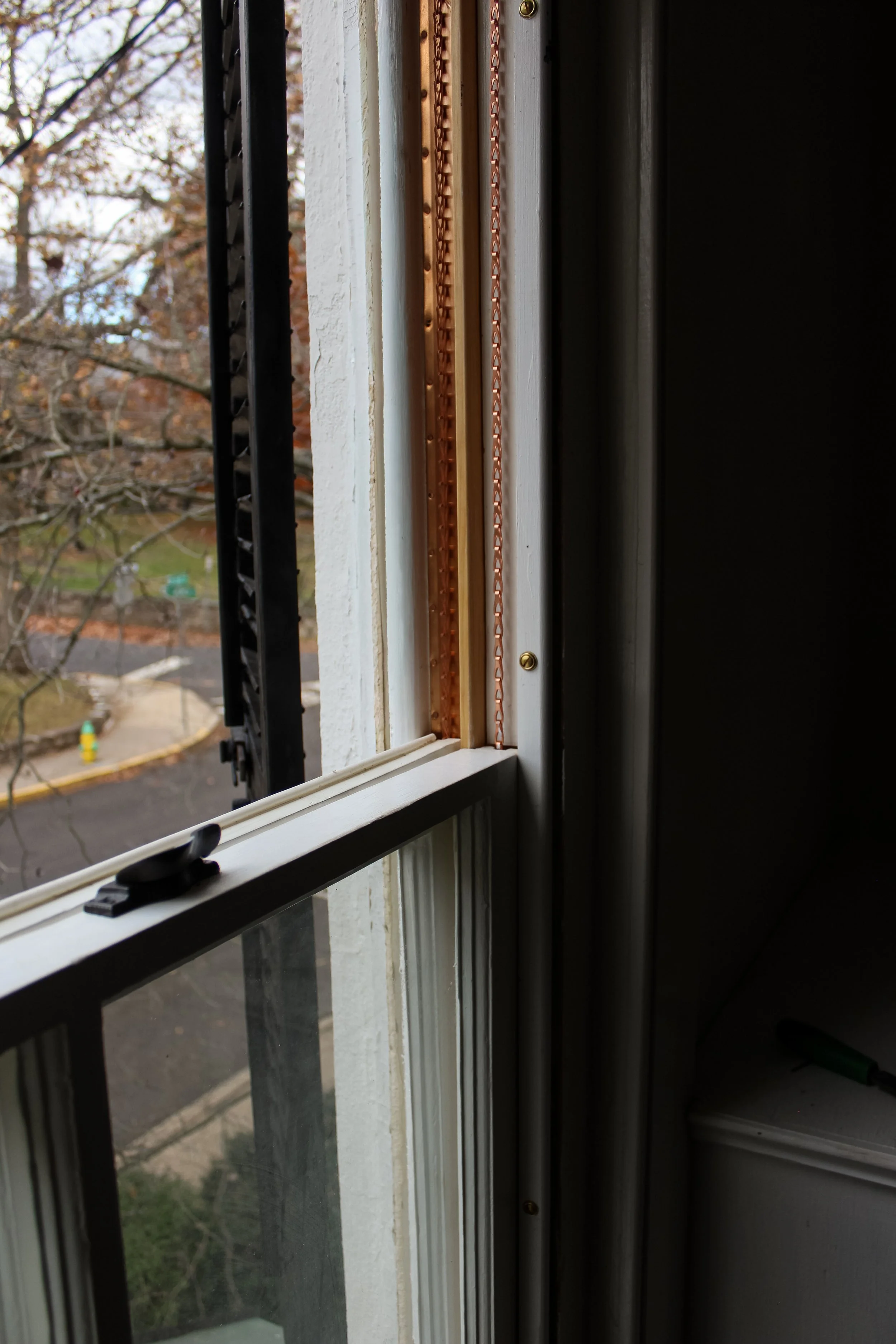
Today, restoration professionals are once again embracing traditional materials such as spring bronze and interlocking bronze and zinc weather stripping. When paired with properly restored wood windows and quality storm windows, these historic systems can significantly improve energy efficiency while preserving the beauty, craftsmanship, and integrity of original windows.
The result is not simply a more energy-efficient window. It is a window system that continues to function much as it was intended to, using materials and techniques that have stood the test of time.
Conclusion
The history of weather stripping reminds us that sometimes the greatest innovations are not the most visible. What began as a simple solution to a practical problem evolved into an important component of the historic window and door system.
Its story demonstrates that preservation is not simply about maintaining what we can see. Sometimes, it is about understanding and preserving the small, overlooked details that made an entire system work.