
Why We Choose Traditional Materials: The Case for Linseed Oil
At our company, we believe that the spaces we create should be as healthy as they are beautiful. That’s why we’ve embraced traditional, linseed oil-based paints and finishes—natural, non-toxic products that protect both people and the environment while delivering durability, breathability, and timeless charm.The Problem with Modern Paints
Most commercially produced paints are full of petrochemicals and microplastics. These substances aren’t just harmful to the environment—they also pose serious health risks. Exposure can increase the likelihood of cancer, neurological effects, reproductive harm, chronic illness, endocrine disruption, and respiratory issues. The risks are even higher for those who live near processing facilities or work in poorly ventilated spaces. And the environmental cost is staggering. For every can of paint produced, roughly ten cans of toxic sludge or solvent residue are generated. Soil and water contamination, airborne microplastics, and other hazards follow, creating a heavy toll on the planet. When we learned about these dangers, we knew we wanted to offer a safer alternative for both our clients and our team. But while we were aware of traditional materials, we didn’t initially know where to start.Discovering Linseed Oil
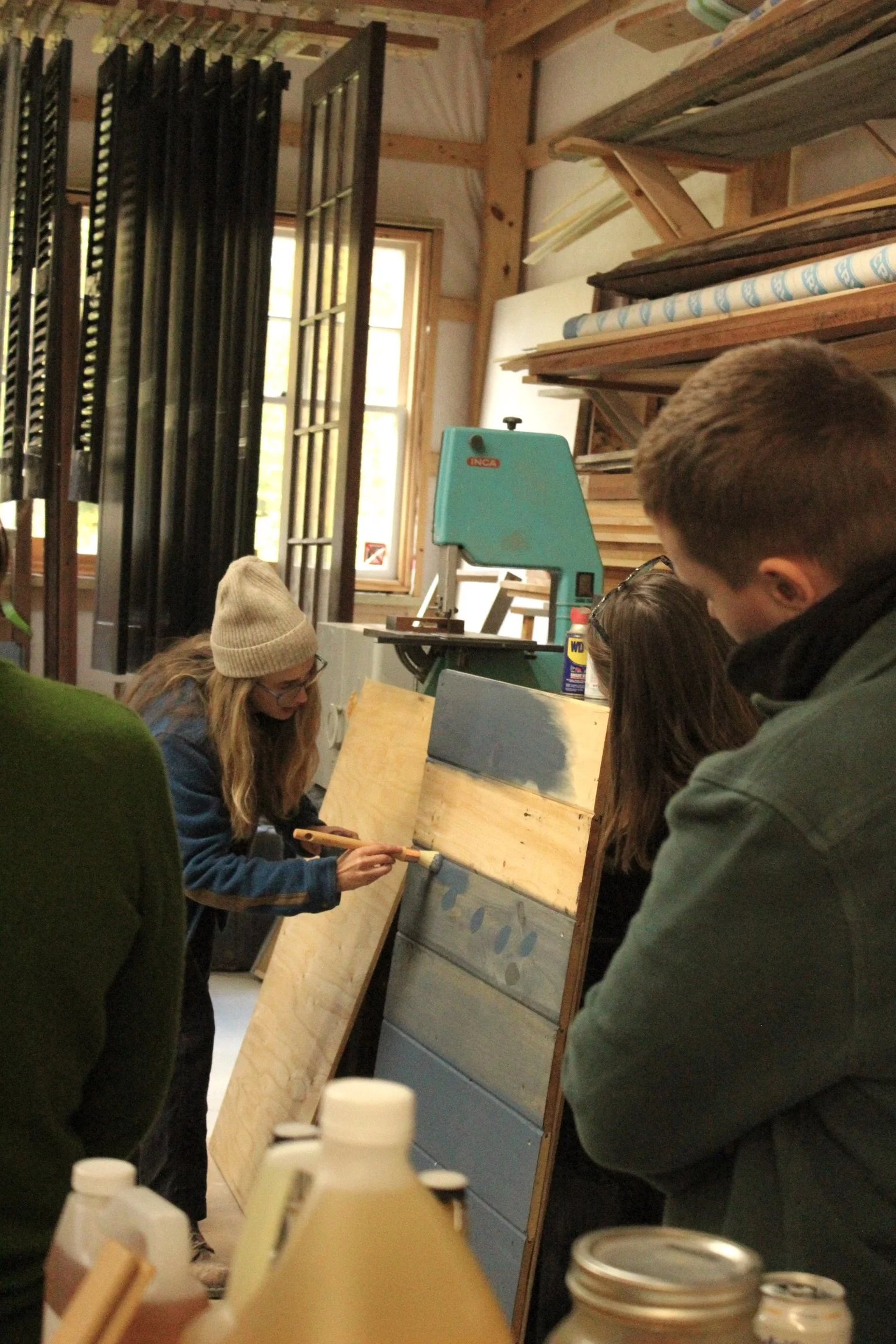
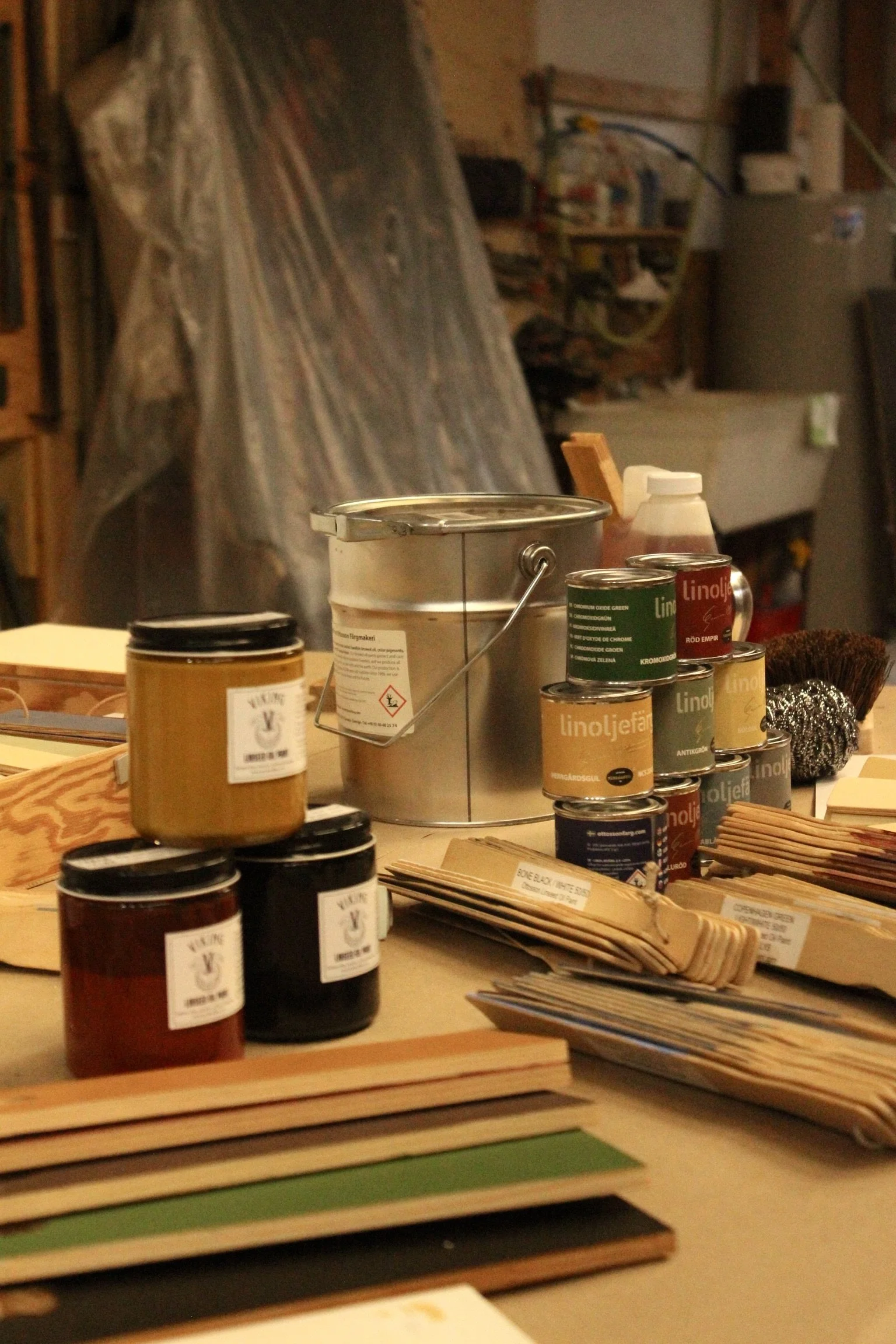
A turning point came a few years ago, when a business colleague invited us to a linseed oil workshop in his barn—a gathering we now affectionately call “the Linseed Oil Symposium.” Here, Earth & Flax, a local Philadelphia retailer, gave us an in-depth look at traditional materials and methods. We were inspired. Linseed oil, made with just a few non-toxic ingredients, was exactly what we had been searching for. Not only was it safe and sustainable, it was also versatile, durable, and beautiful—perfect for the natural materials we work with.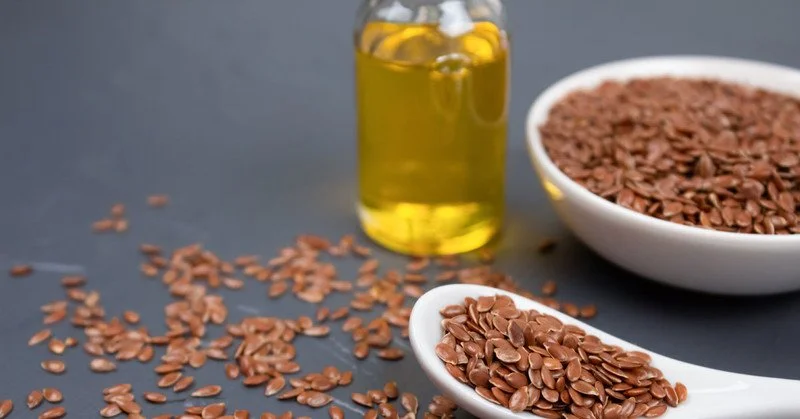
Why We Love Linseed Oil
Durability: Linseed oil is hydrophobic and penetrates deep into the wood. On the surface, it creates a strong, flexible film that resists cracking. Historic buildings treated with linseed oil paints and bare wood treated with pine tar show just how long-lasting these finishes can be, developing a rich, elegant patina over time, even hundreds of years.
Breathability: Unlike modern paints, linseed oil penetrates the material, allowing moisture to
Natural and Sustainable: Linseed oil is made from renewable resources and has a far lower
Versatility: Artists use linseed oil to control paint consistency and drying time. In our hands, it helps create smooth, even finishes that enhance any surface.
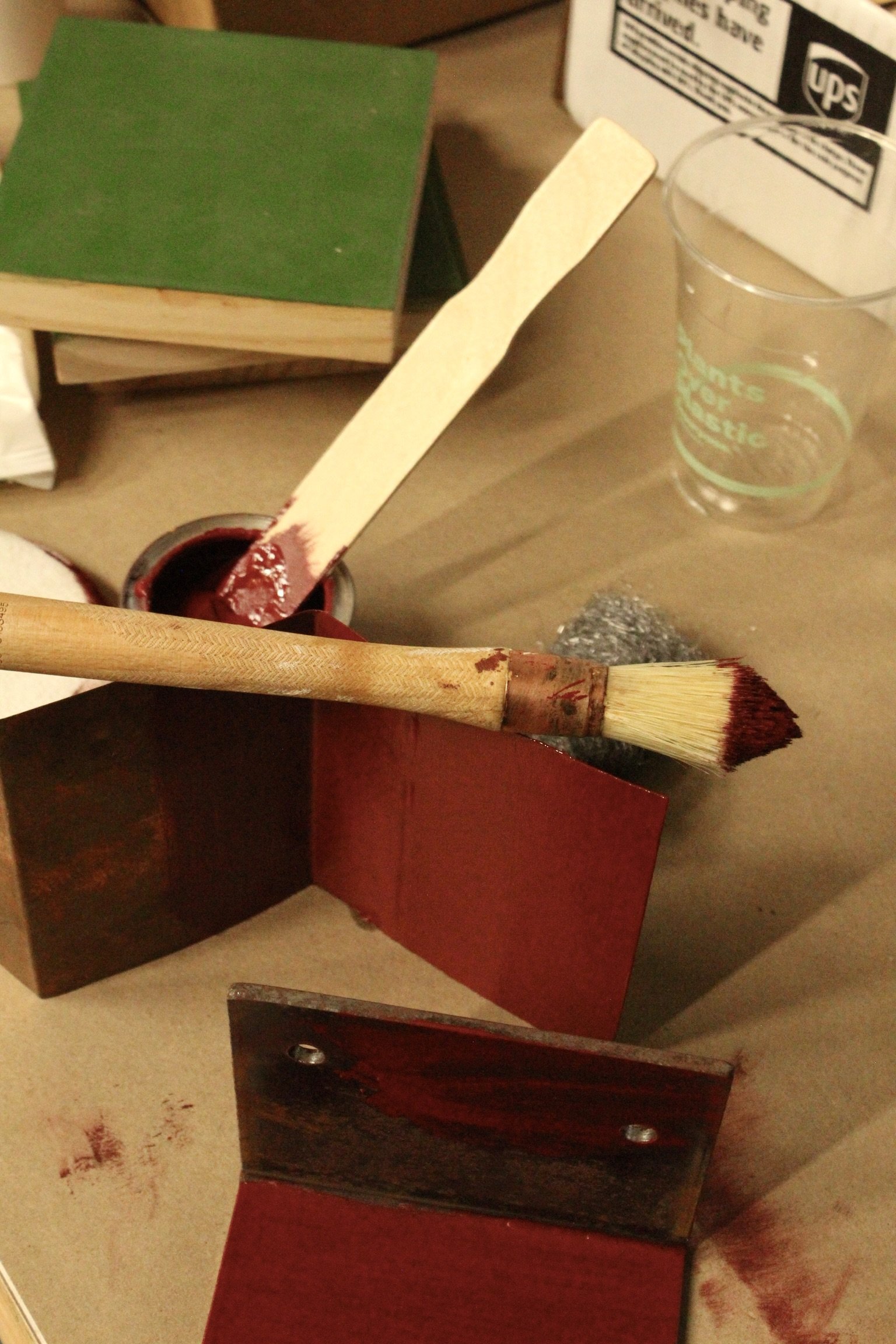
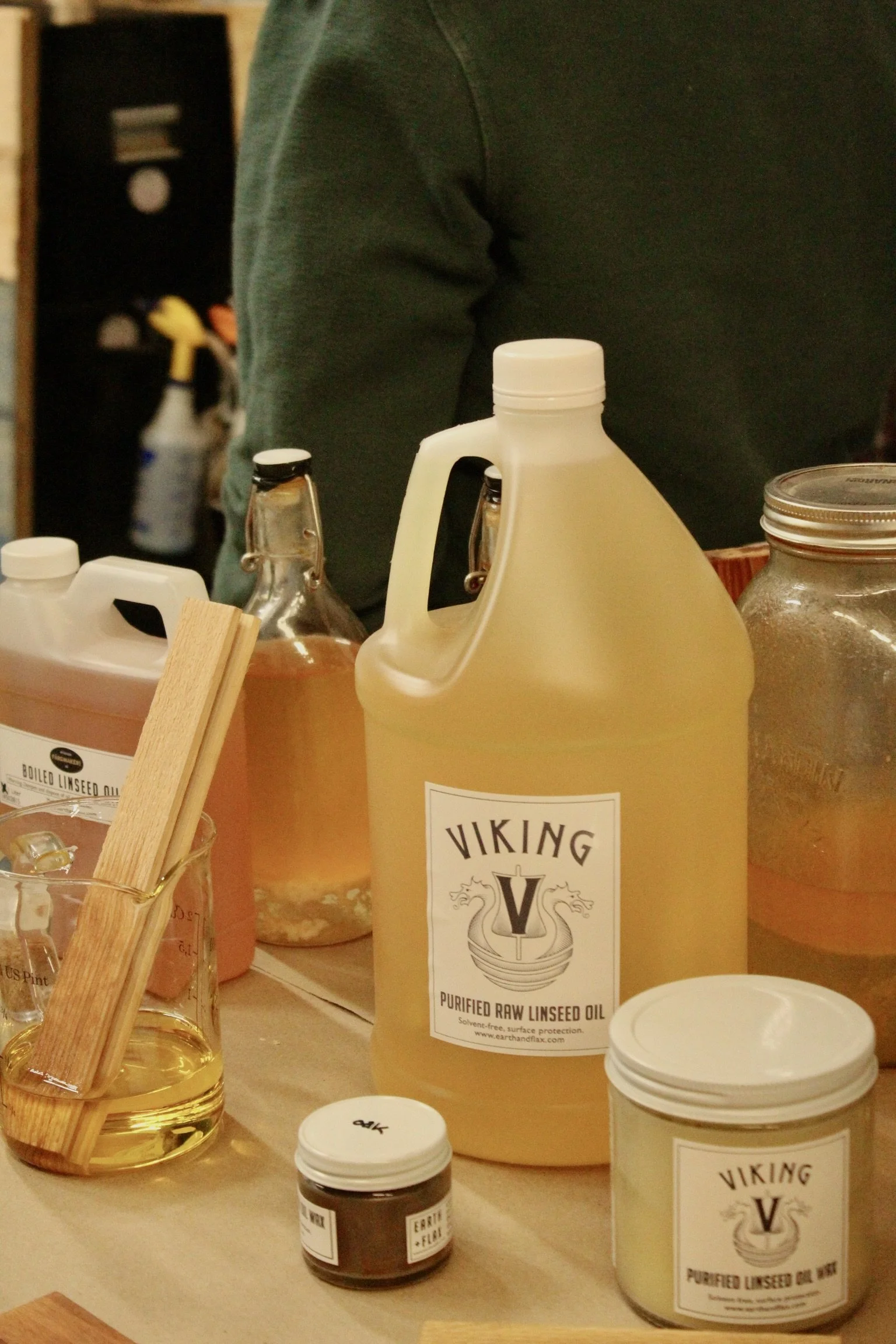
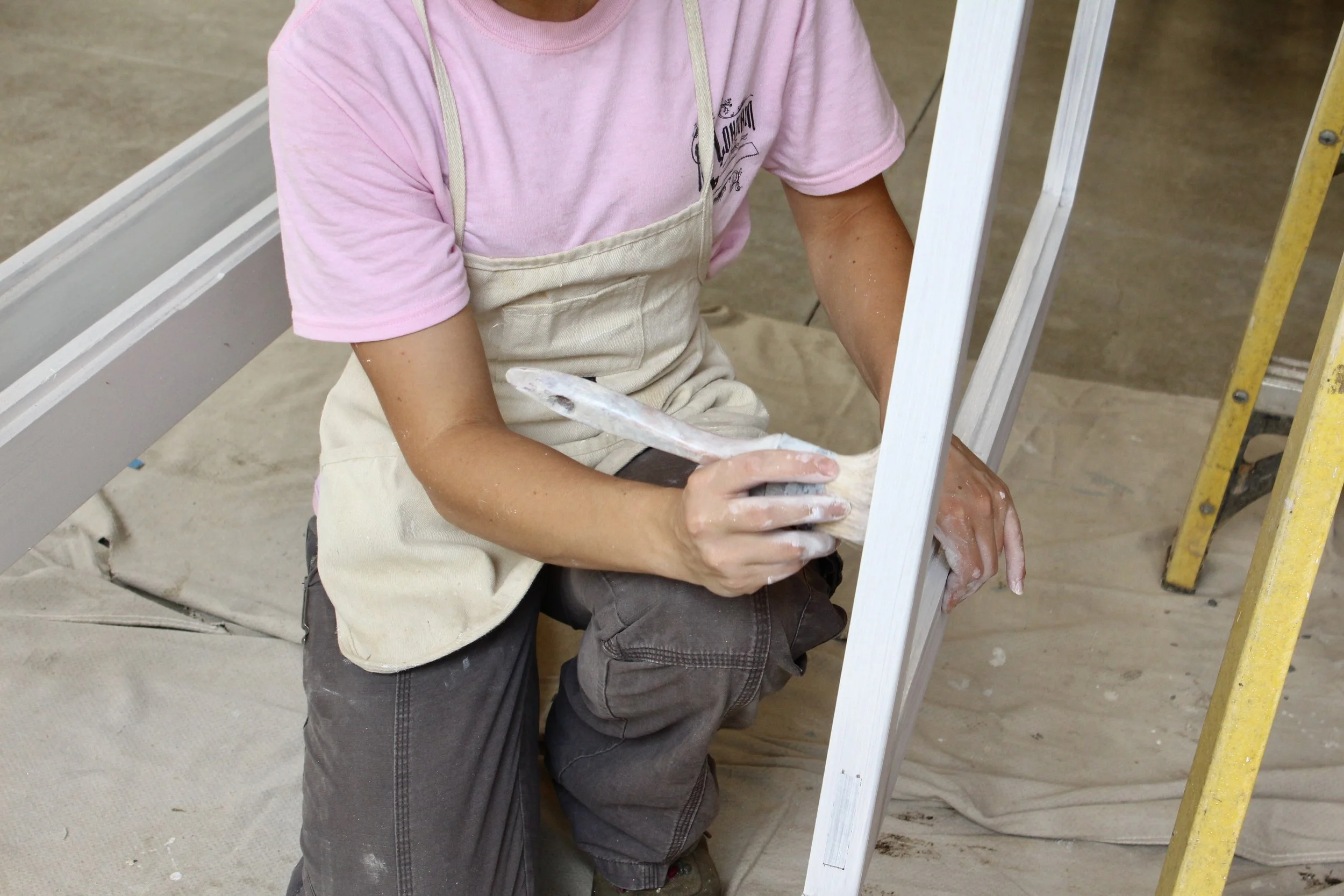
Adhesion: Linseed oil paint adheres well to many surfaces and is its own primer. A primer solution is made by adding a mixture of raw purified linseed oil to the linseed oil paint. Once dry, just 2 coats of the undiluted paint are applied.
Things to Keep in Mind
No material is perfect. Linseed oil dries more slowly than modern paints, which can extend project timelines. But with care and experience, this is a minor trade-off compared to the long-term benefits. Just keep in mind, thin coats are required. If applied too heavily, it may take days for the surface to dry. Over time, exterior finishes will look “chalky”. No problem! You can freshen up the surface by applying boiled linseed oil, then wiping it off. This will bring back the satin luster and make it look new and fresh again. Our Commitment
Our goal is simple: to provide our clients with beautiful, non-toxic spaces that last. By using traditional materials like linseed oil, we’re able to combine health, sustainability, and enduring beauty in every project we touch.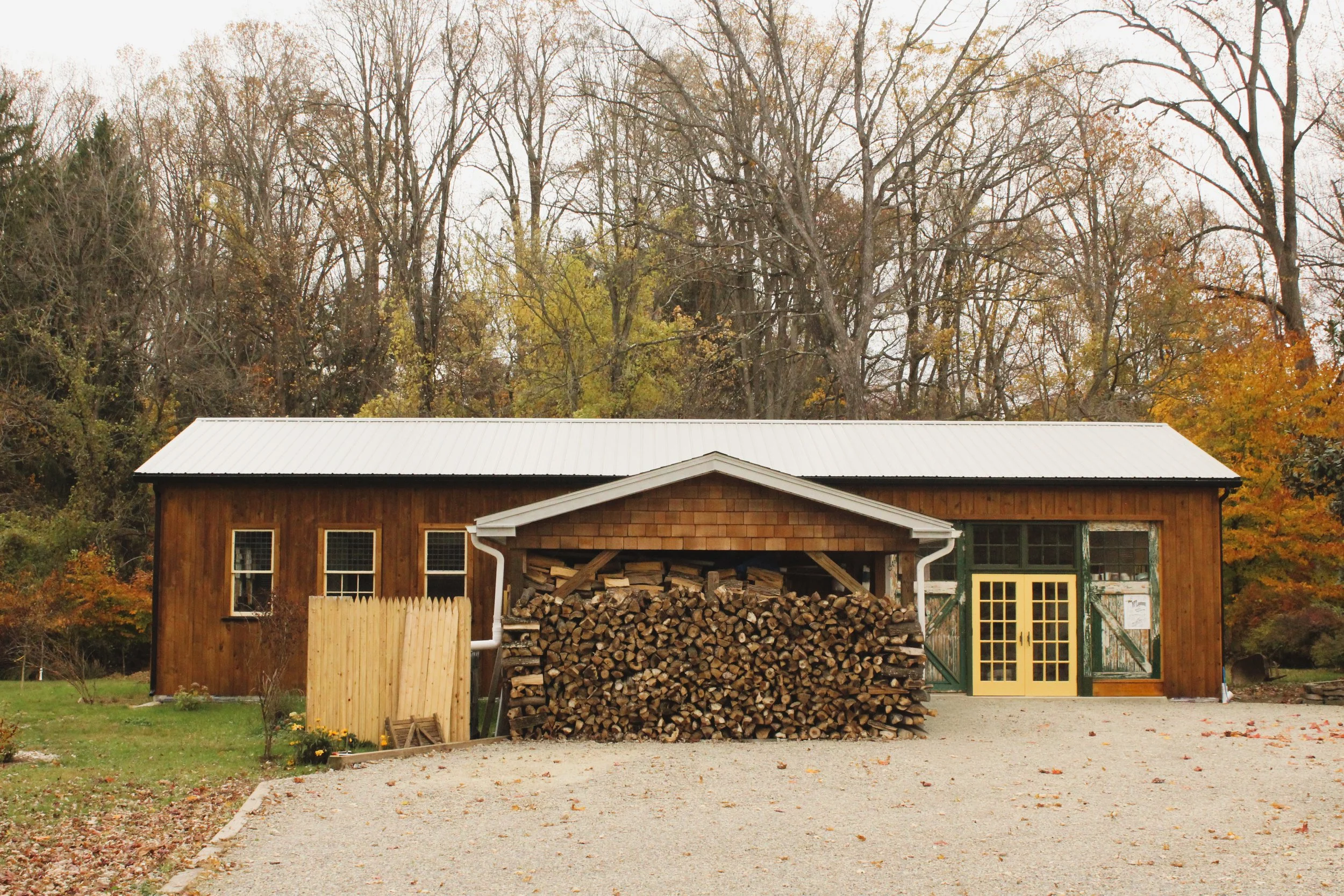
This is AP Lohmann’s workshop, where we painted the exterior with raw linseed oil! It turned out beautifully.